
Every dog owner wants the same thing: more healthy years with their dog. While no single food can magically extend lifespan, strong scientific evidence shows that certain nutrient-dense foods can reduce chronic disease risk, improve metabolic health, and slow age-related decline—factors closely linked to longevity in dogs.
Long-term studies in veterinary nutrition consistently point to one conclusion: diet quality matters as much as genetics. Dogs fed balanced diets enriched with specific whole-food nutrients live longer, healthier lives than dogs fed ultra-processed, low-quality foods.
Below are five superfoods backed by veterinary and nutritional research that, when used correctly, can support longevity and potentially add years to your dog’s life.
1. Sardines – The Longevity Fat
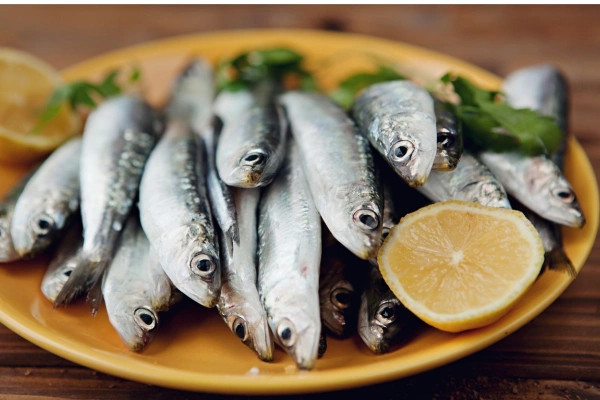
Sardines are one of the most powerful foods you can add to your dog’s bowl.
Why Sardines Matter
Sardines are rich in omega-3 fatty acids (EPA and DHA)—nutrients proven to reduce systemic inflammation, support brain health, and protect the heart.
Chronic inflammation is a major driver of:
- Arthritis
- Heart disease
- Kidney disease
- Cognitive decline
- Cancer progression
Reducing inflammation over time is directly associated with longer lifespan in dogs.
Key Benefits
- Supports heart and joint health
- Protects brain function in aging dogs
- Improves skin and coat
- May slow cognitive aging
How to Feed Safely
- Choose sardines in water, not oil
- No salt, seasoning, or sauce
- 1–2 sardines per week for small dogs
- 2–3 sardines per week for large dogs
2. Blueberries – Cellular Protection Powerhouse
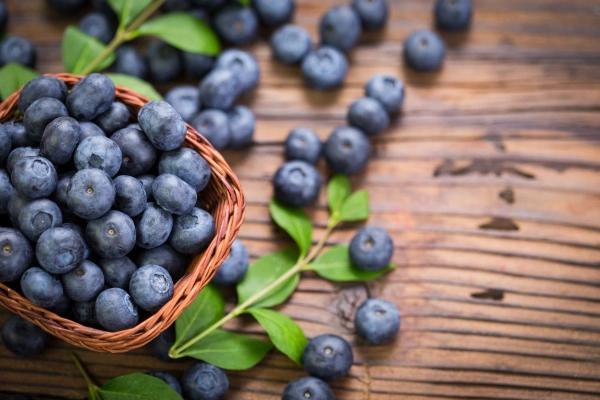
Blueberries are one of the most researched antioxidant foods for both humans and animals.
Why Blueberries Matter
They are loaded with polyphenols and flavonoids, compounds that protect cells from oxidative damage—a major contributor to aging and cancer.
Oxidative stress accelerates:
- DNA damage
- Organ degeneration
- Immune system decline
Reducing oxidative damage helps preserve cellular function as dogs age.
Key Benefits
- Supports brain and memory health
- Strengthens immune defenses
- Protects against age-related cognitive decline
- Supports eye health
How to Feed Safely
- Fresh or frozen (no sugar)
- 2–3 berries for small dogs
- A small handful for large dogs
- Mash or chop for senior dogs
3. Pumpkin – Digestive Stability = Longevity
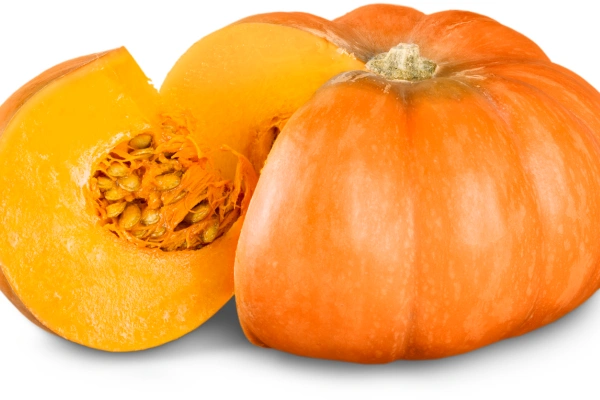
Digestive health is one of the most overlooked factors in dog longevity.
Why Pumpkin Matters
Pumpkin is rich in soluble fiber, which stabilizes gut function and feeds beneficial gut bacteria.
A healthy gut improves:
- Nutrient absorption
- Immune regulation
- Inflammation control
Dogs with chronic digestive issues often develop secondary immune and metabolic problems over time.
Key Benefits
- Prevents constipation and diarrhea
- Supports gut microbiome balance
- Improves stool quality
- Helps regulate weight
How to Feed Safely
- Plain canned pumpkin (not pie filling)
- 1 teaspoon for small dogs
- 1 tablespoon for large dogs
- Can be fed daily
4. Eggs – Complete Protein for Muscle Preservation
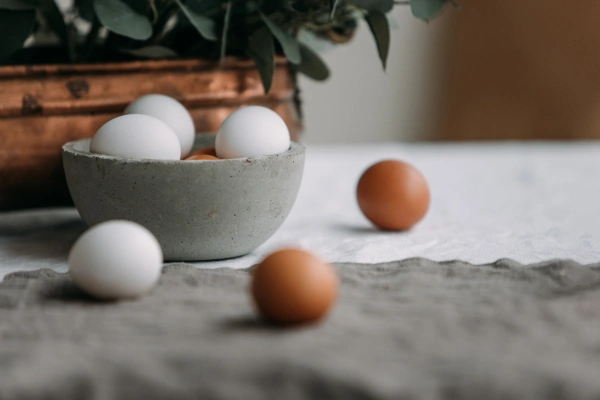
Muscle loss (sarcopenia) is one of the strongest predictors of early aging in dogs.
Why Eggs Matter
Eggs provide complete, highly bioavailable protein containing all essential amino acids.
Maintaining lean muscle mass:
- Supports metabolism
- Protects joints
- Reduces injury risk
- Improves insulin sensitivity
Protein quality matters more than protein quantity as dogs age.
Key Benefits
- Preserves muscle and strength
- Supports skin and coat
- Provides choline for brain health
- Easy to digest
How to Feed Safely
- Cooked only (never raw)
- No salt or oil
- 1–2 eggs per week depending on size
5. Leafy Greens (Spinach, Kale) – Micronutrient Insurance
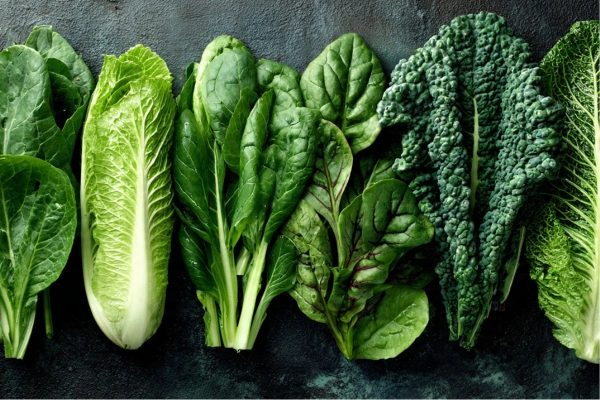
Micronutrient deficiencies silently shorten lifespan.
Why Leafy Greens Matter
Leafy greens contain:
- Magnesium
- Folate
- Vitamin K
- Lutein
These nutrients support cellular repair, circulation, and detox pathways.
Low micronutrient intake is associated with:
- Accelerated aging
- Immune weakness
- Poor organ function
Key Benefits
- Supports detoxification pathways
- Protects vision and heart health
- Reduces chronic inflammation
- Supports immune resilience
How to Feed Safely
- Lightly steamed
- Finely chopped
- Small amounts mixed into meals
- 1–2 times per week
Why These Foods Can Increase Lifespan

Veterinary research shows dogs live longer when their diet:
- Reduces inflammation
- Supports muscle maintenance
- Protects brain and heart health
- Improves gut function
In one well-known long-term study, dogs fed nutrient-dense diets and kept lean lived nearly two years longer than their counterparts.
Longevity is not about supplements alone—it’s about consistent nutritional support over years.
Important Safety Notes
- Introduce new foods gradually
- Avoid seasoning, salt, sugar, or oils
- These foods complement, not replace, balanced dog food
- Always adjust portions to your dog’s size and health
Dogs with kidney disease, pancreatitis, or food allergies should consult a veterinarian before dietary changes.
Final Thoughts
No food guarantees extra years—but nutrition strongly influences how long and how well your dog lives. These five superfoods support the systems most closely tied to aging: inflammation, digestion, muscle preservation, and cellular protection.
Small additions, consistently applied, can make a meaningful difference over time.