“Dumb” Usually Means Something Else
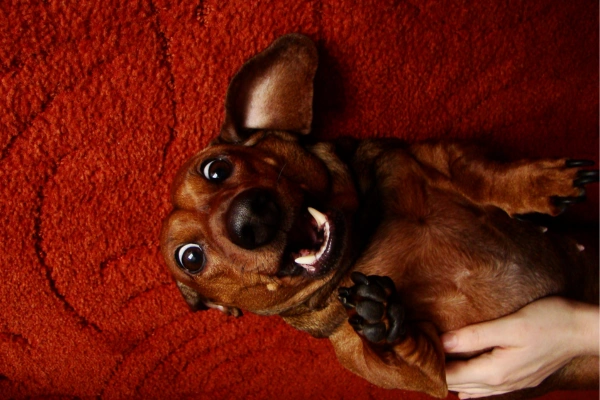
When people call a dog breed “dumb,” they’re usually referring to trainability, not intelligence. Many breeds labeled this way were developed for independent work, meaning they don’t blindly follow commands.
In reality, most so-called “dumb” breeds are simply stubborn, independent, or strong-willed — not unintelligent. Understanding this difference can completely change how you train and bond with your dog.
Below are 10 breeds often labeled “least intelligent,” along with the real explanation behind their behavior.
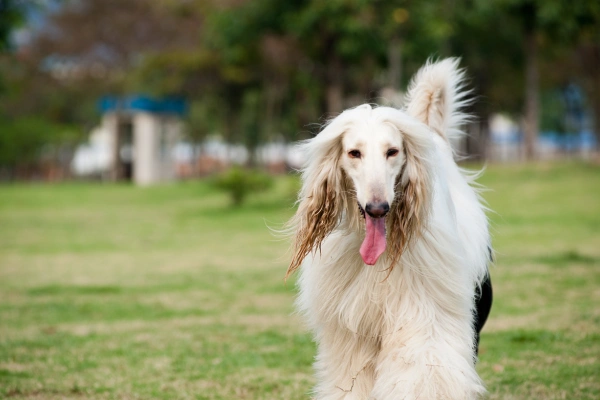
1. Afghan Hound
Why It Gets the Label
Afghan Hounds were bred to hunt independently in rugged terrain, making their own decisions.
This independence can look like disobedience during training.
Why It Matters
They’re actually:
- Highly perceptive
- Extremely athletic
- Very sensitive to their environment
Action Step
Use short training sessions and positive reinforcement instead of repetition-heavy drills.
Pro-Tip
Afghan Hounds respond better to relationship-based training than command-based training.
2. Basenji

Why It Gets the Label
The Basenji is famous for being stubborn and selective about commands.
Why It Matters
This breed was developed to hunt small game while thinking independently, not waiting for human instruction.
Action Step
Provide mental enrichment like scent games and puzzle toys.
Pro-Tip
A bored Basenji quickly becomes destructive — enrichment is essential.
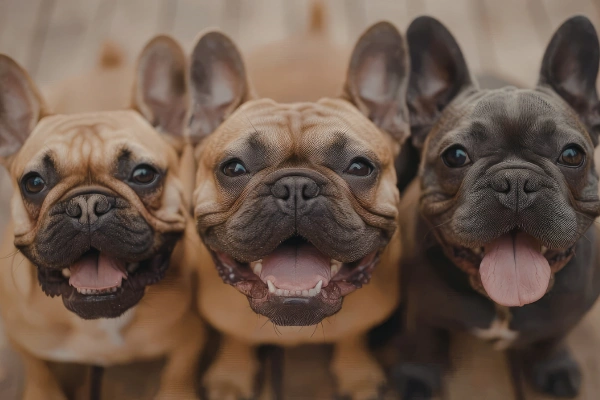
3. Bulldog
Why It Gets the Label
Bulldogs tend to be slow-moving and relaxed, which some people mistake for lack of intelligence.
Why It Matters
They’re actually very good at:
- Reading human emotions
- Learning routines
- Social bonding
Action Step
Keep training short, fun, and reward-driven.
Pro-Tip
Bulldogs thrive in predictable routines rather than strict training drills.
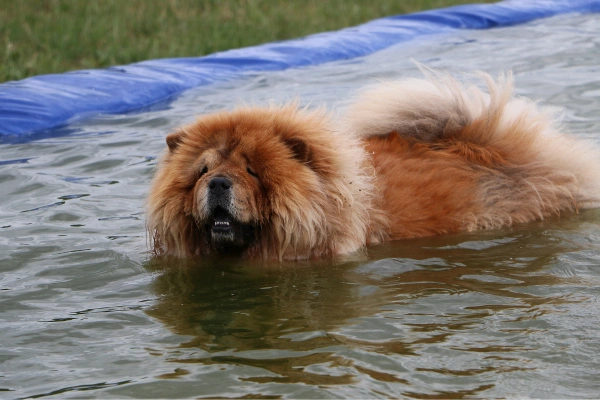
4. Chow Chow
Why It Gets the Label
Chow Chows are extremely independent and reserved.
Why It Matters
They were historically guard dogs, so they rely heavily on their own judgment.
Action Step
Start socialization early and use consistent but gentle training methods.
Pro-Tip
This breed respects calm leadership more than forceful commands.
5. Borzoi
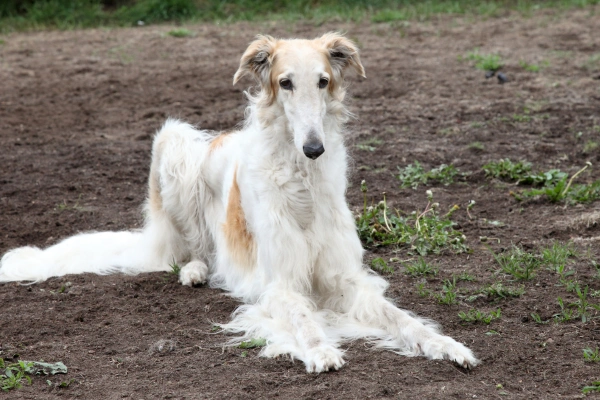
Why It Gets the Label
Borzois are sighthounds, meaning they chase prey based on instinct rather than commands.
Why It Matters
They are:
- Quiet
- Observant
- Highly sensitive
Action Step
Train with patience and calm repetition, avoiding harsh corrections.
Pro-Tip
Their intelligence shows more in instinctive behavior than obedience drills.
6. Bloodhound
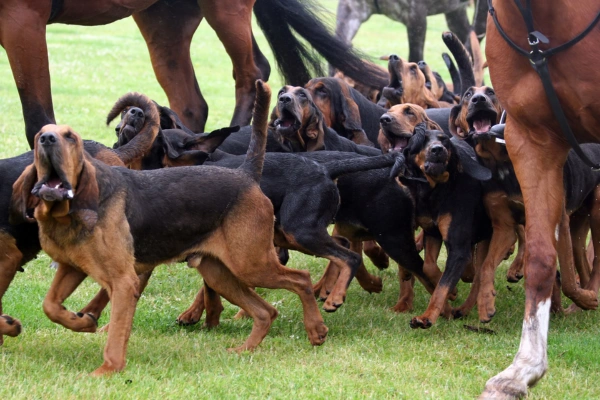
Why It Gets the Label
Bloodhounds can appear stubborn during training.
Why It Matters
Their brains are laser-focused on scent tracking, one of the most complex canine skills.
Action Step
Use scent-based games and training methods.
Pro-Tip
A Bloodhound following a scent is performing advanced cognitive work — not ignoring you.
7. Pekingese
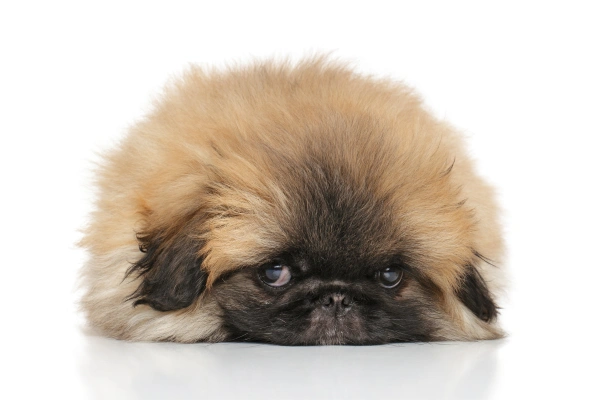
Why It Gets the Label
Pekingese dogs are famously independent and royal in attitude.
Why It Matters
They were bred as companion dogs for Chinese royalty, meaning they didn’t need to perform tasks.
Action Step
Train with patience and very high-value rewards.
Pro-Tip
Respect their independence — forcing obedience often backfires.
8. Beagle
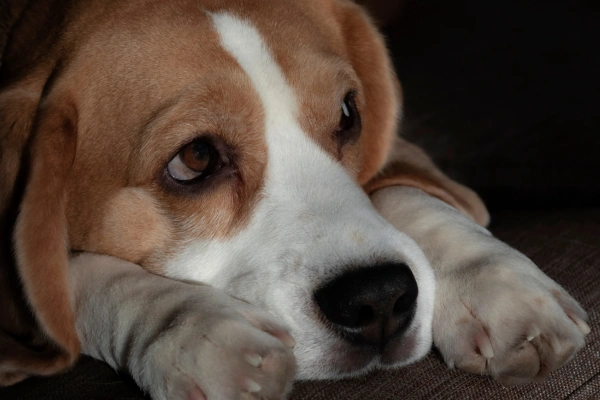
Why It Gets the Label
Beagles are easily distracted by scents during training.
Why It Matters
Their noses are among the most powerful scent detection systems in the canine world.
Action Step
Incorporate scent games into training.
Pro-Tip
If a Beagle smells something interesting, their brain prioritizes that scent over commands.
9. Mastiff
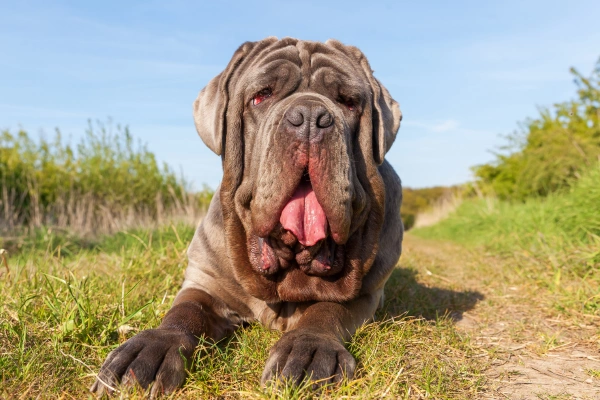
Why It Gets the Label
Mastiffs are calm, slow-moving, and sometimes stubborn.
Why It Matters
They’re actually extremely good at:
- Emotional awareness
- Protecting their family
- Reading social cues
Action Step
Use consistent leadership and calm training sessions.
Pro-Tip
Mastiffs respond best to respectful training rather than repetition-heavy drills.
10. Basset Hound
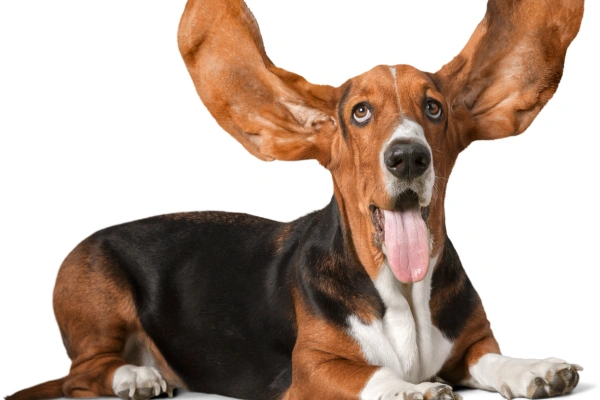
Why It Gets the Label
Basset Hounds can be stubborn and slow to respond.
Why It Matters
Their scent tracking abilities are second only to Bloodhounds.
Action Step
Use scent trails and reward-based training.
Pro-Tip
A Basset Hound following a scent is mentally engaged in a highly complex task.
The Truth About Canine Intelligence
Dog intelligence actually has three main categories:
- Instinctive Intelligence – what the breed was developed to do
- Adaptive Intelligence – how dogs solve problems
- Working & Obedience Intelligence – how easily they follow commands
Many breeds labeled “dumb” simply rank lower in obedience training — not in overall intelligence.
Why Independent Breeds Can Be Harder to Train
Dogs bred for independent work often show:
- Strong decision-making skills
- Selective listening
- High environmental awareness
- Lower motivation for repetitive commands
These traits were valuable for survival tasks like hunting or guarding.
Quick Summary (Save This)
Breeds often labeled “least intelligent” include:
- Afghan Hound
- Basenji
- Bulldog
- Chow Chow
- Borzoi
- Bloodhound
- Pekingese
- Beagle
- Mastiff
- Basset Hound
But in reality, these dogs are usually independent thinkers rather than unintelligent pets.
Final Thoughts
Every dog breed has its own type of intelligence. Some excel at obedience training, while others shine in problem-solving, scent tracking, or emotional awareness.
Understanding your dog’s natural instincts — instead of forcing them into a training mold — is the real key to a stronger bond.
If you found this guide helpful, save it so you can remember which breeds simply think differently. 🐾