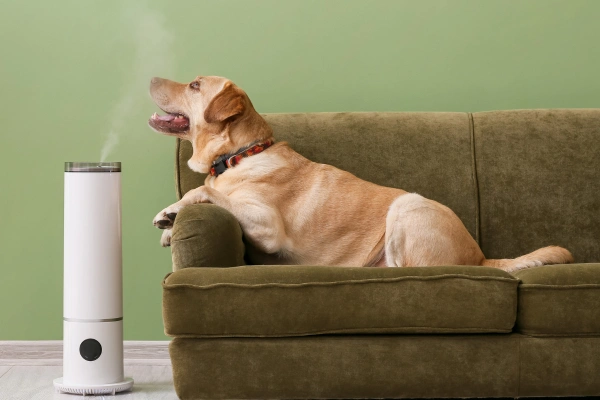
Bad breath in dogs is often dismissed as “normal.” But persistent, foul-smelling breath—especially when teeth look relatively clean—can signal something deeper. Increasingly, veterinary research shows that gut health plays a critical role in oral odor, immune balance, and systemic inflammation.
In 2026, veterinarians are moving beyond mouth-only explanations and adopting a whole-body approach to canine halitosis. If brushing and dental chews haven’t solved the problem, your dog’s digestive system may be the missing link.
Let’s break down what science actually shows—and what the modern solution looks like.
Why Bad Breath Isn’t Always a Dental Problem
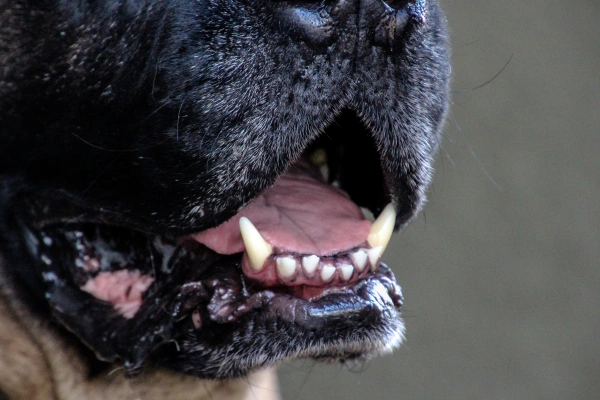
Dental disease is still the most common cause of bad breath in dogs. However, studies show that not all halitosis originates in the mouth.
Dogs with:
- Chronic gas
- Loose stools
- Frequent vomiting
- Food sensitivities
- Recurrent ear or skin infections
often develop bad breath even without severe plaque buildup.
This points to a systemic source—most commonly, the gut.
The Gut–Mouth Connection Explained
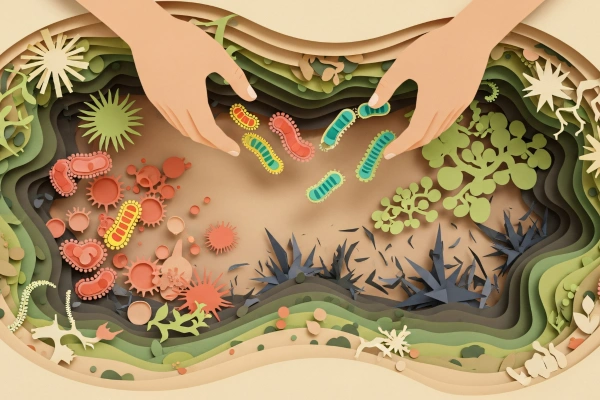
Your dog’s digestive tract contains trillions of bacteria. When balanced, these microbes:
- Aid digestion
- Support immune function
- Regulate inflammation
When imbalanced (a condition called dysbiosis), harmful bacteria produce volatile sulfur compounds and ammonia-like gases. These compounds can travel upward through the digestive tract and escape through the mouth—causing odor that brushing alone can’t fix.
In other words:
Bad breath can be a symptom, not the root problem.
Signs Your Dog’s Breath Is Gut-Related
Bad breath linked to gut imbalance often has distinct features:
- Smells sour, metallic, or “rotten,” not just fishy
- Comes and goes depending on diet
- Worsens after meals
- Improves briefly, then returns after dental cleaning
If bad breath is accompanied by digestive or skin issues, gut health becomes a primary suspect.
What Causes Gut Imbalance in Dogs?
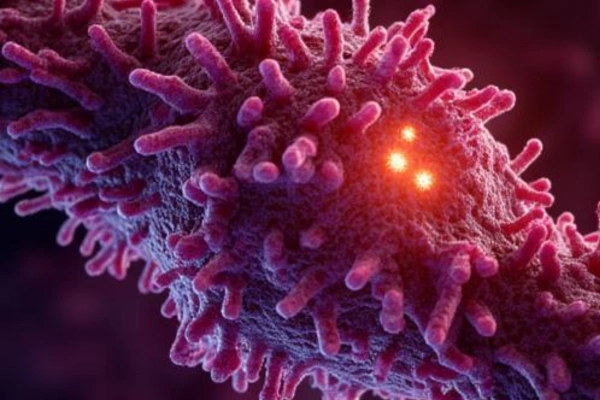
Modern canine diets and lifestyles contribute more than most owners realize.
1. Ultra-Processed Dog Food
Highly processed kibble can be:
- Low in fermentable fiber
- High in inflammatory fats
- Poor in microbial diversity support
This encourages harmful bacteria to dominate.
2. Frequent Antibiotic Use
Antibiotics save lives—but they also wipe out beneficial gut bacteria, sometimes permanently if not restored properly.
3. Food Sensitivities
Undigested proteins ferment in the gut, producing odor-causing compounds.
4. Chronic Stress
Stress alters gut motility and microbiome composition, increasing toxin-producing bacteria.
The 2026 Solution: A Gut-First Strategy

Veterinary nutrition in 2026 focuses on microbiome restoration, not just symptom masking.
Here’s what that looks like.
1. Targeted Probiotics (Not Generic Ones)
Modern veterinary guidelines emphasize strain-specific probiotics, not random blends.
Well-researched canine strains include:
- Lactobacillus acidophilus
- Enterococcus faecium
- Bifidobacterium animalis
These strains:
- Reduce odor-causing bacterial metabolites
- Improve digestion
- Strengthen gut barrier integrity
Consistency matters more than dosage.
2. Prebiotic Fiber to Feed Good Bacteria
Probiotics fail without food.
Prebiotics such as:
- Pumpkin
- Chicory root (inulin)
- Oats
- Cooked sweet potato
help beneficial bacteria thrive and suppress odor-producing microbes.
This is one reason dogs with chronic constipation or diarrhea often have worse breath.
3. Anti-Inflammatory Foods That Lower Toxic Load
Chronic gut inflammation increases bacterial toxin production.
Vet-approved additions include:
- Sardines (omega-3s reduce gut inflammation)
- Blueberries (polyphenols reduce oxidative stress)
- Cooked eggs (easily digestible protein)
Lower inflammation = fewer odor-causing compounds.
4. Oral Health Still Matters—But It’s Not Enough Alone
The 2026 approach combines:
- Gentle daily brushing
- Veterinary dental checks
- Gut support
Ignoring either side limits results.
Dogs with improved gut health often show:
- Less plaque formation
- Healthier gums
- Reduced oral bacterial overgrowth
5. Avoid “Breath Fixes” That Mask the Problem
Many products temporarily reduce odor but worsen gut imbalance long-term.
Avoid:
- Sugar-based breath treats
- Artificial flavor sprays
- Alcohol-containing oral rinses
These don’t correct microbial imbalance and may fuel it.
When to See a Veterinarian
Bad breath can still indicate serious disease.
Seek veterinary evaluation if breath is accompanied by:
- Weight loss
- Vomiting
- Lethargy
- Excessive thirst
- Gum bleeding
Kidney disease, diabetes, and liver disorders can also cause halitosis and must be ruled out.
How Long Until You See Results?
Gut-related breath improvement typically occurs within:
- 2–4 weeks of dietary correction
- 4–6 weeks of probiotic support
Sudden fixes rarely last. Sustainable improvement requires consistency.
The Bottom Line
In 2026, bad breath is no longer viewed as just a dental issue. Gut health is now recognized as a key driver of oral odor, immune balance, and overall vitality in dogs.
If brushing hasn’t solved the problem, the answer may not be in your dog’s mouth—but in their microbiome.
Address the gut, and the breath often follows.