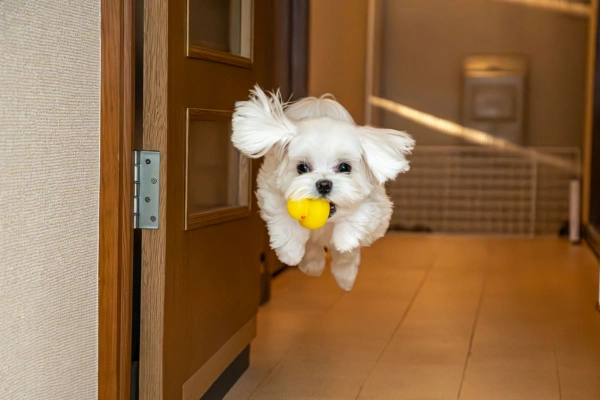
Dogs are masters of subtle communication. While we often focus on tail wags, barks, or cuddles, our furry companions use countless small signals to tell us how they feel, what they need, or what’s on their mind—often without us noticing. By understanding these hidden cues, you can deepen your bond and respond to your dog’s needs before problems arise.
1. Tail Movements Speak Volumes
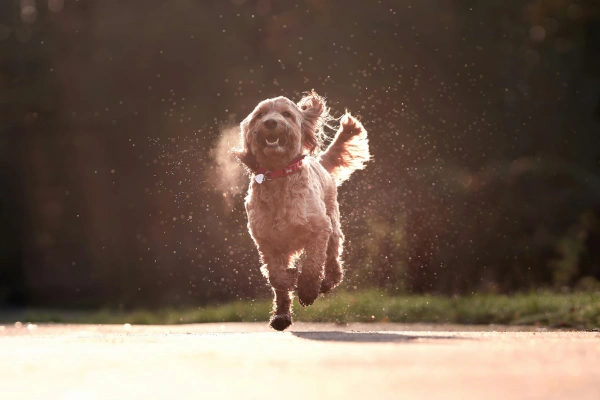
A wagging tail isn’t always a sign of happiness. The speed, direction, and position of a tail reveal a dog’s emotional state.
Hidden signals to watch for:
- Slow wagging with tail low: Anxiety or uncertainty.
- High, stiff wag: Alertness or possible aggression.
- Tail tucked: Fear or submission.
Tip: Observe your dog’s tail in combination with other body language for a full picture.
2. Subtle Eye Cues

Dogs use their eyes to communicate moods, intentions, and even comfort levels.
Signs to notice:
- Soft blinking: Relaxation and trust.
- Avoiding eye contact: Submission or discomfort.
- Staring: Alertness, curiosity, or challenge.
Tip: Learn your dog’s baseline eye behavior to detect small changes.
3. Ears and Facial Expressions
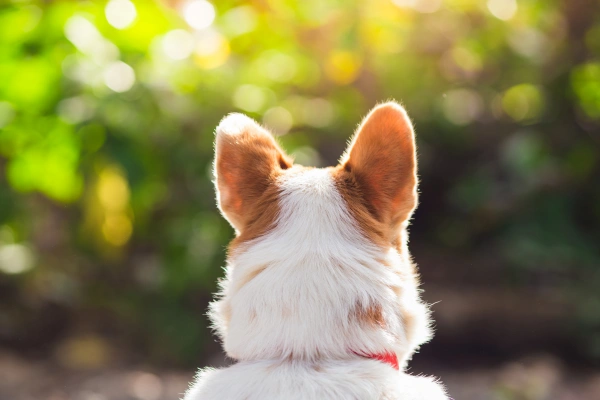
A dog’s ears, mouth, and facial muscles can convey more than barking ever could.
Examples:
- Ears forward: Interest or alertness.
- Ears back: Nervousness or submission.
- Lip licking or yawning: Stress or uncertainty.
Tip: Pair facial cues with context, like surroundings or interactions, to interpret meaning accurately.
4. Body Posture Speaks Louder Than Words
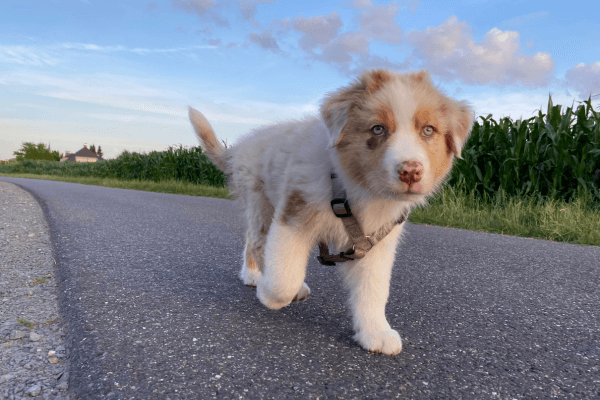
Even when your dog is quiet, their posture can tell you a lot about their mood.
Key postures to observe:
- Leaning in: Affection or seeking attention.
- Cowering: Fear or insecurity.
- Rolling over: Submission or trust.
Tip: Notice how your dog positions themselves around family members or strangers.
5. Subtle Vocalizations
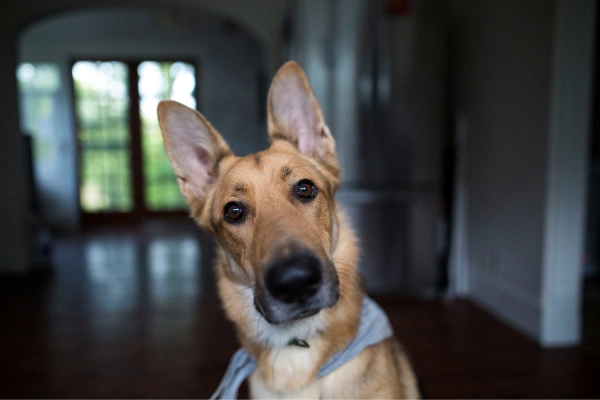
Beyond barking, dogs use quiet whines, growls, or soft grumbles to communicate.
Hidden signals:
- Whining near food or toys: Desire or frustration.
- Soft growl while playing: Excitement, not aggression.
- Quiet humming or sighing: Contentment.
Tip: Match vocal cues with context and other body language.
6. Paw and Nose Signals
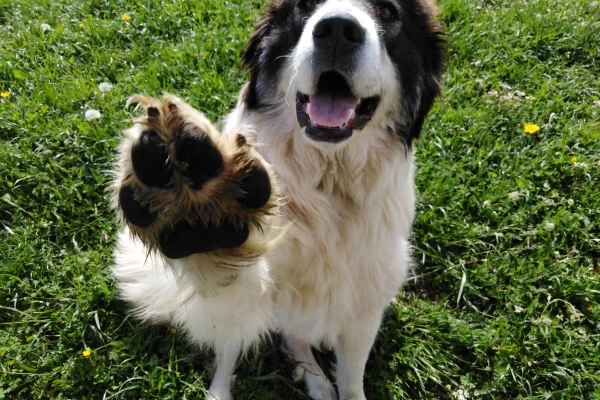
Dogs often use their paws and noses to communicate their needs discreetly.
Examples:
- Pawing: Asking for attention or signaling discomfort.
- Nose nudges: Requests for interaction or food.
- Sniffing objects repeatedly: Curiosity or anxiety.
Tip: Pay attention to repeated actions—they’re often more meaningful than one-off behaviors.
7. Subtle Environmental Cues

Your dog’s interactions with their environment can reveal stress, comfort, or preferences.
What to notice:
- Hiding in corners: Anxiety or fear.
- Choosing to sleep near you: Trust and attachment.
- Rearranging toys or bedding: Comfort-seeking behavior.
Tip: Observing patterns over time helps you understand what your dog is trying to tell you.
Final Thoughts
Dogs are constantly communicating, even when we think they aren’t. By learning to observe their tail movements, eyes, ears, body posture, vocalizations, paws, and environmental interactions, you can anticipate their needs and strengthen your bond.
The better you understand these subtle signals, the more confident you’ll become in responding appropriately—keeping your dog happy, healthy, and emotionally fulfilled.