
Many dogs love treats—but not all dogs can comfortably chew hard biscuits or crunchy snacks. Dogs with sensitive teeth, gum inflammation, dental disease, or advanced age often struggle with traditional treats, leading to pain, avoidance, or even behavioral changes.
Soft and chewy dog treats offer a safer, more comfortable alternative. When chosen correctly, they can support oral comfort, digestion, and overall wellbeing—without compromising enjoyment.
This guide explains why soft treats matter, how to choose the right ones, and which ingredients actually support dogs with dental sensitivity.
Why Some Dogs Need Soft & Chewy Treats

Dental sensitivity in dogs is more common than many owners realize. According to veterinary dental studies, over 80% of dogs over age three show signs of dental disease.
Common causes include:
- Gum inflammation (gingivitis)
- Exposed tooth roots
- Cracked or worn teeth
- Tooth extractions
- Age-related enamel thinning
- Small-breed crowding
- Chewing trauma from hard objects
For these dogs, hard treats can cause:
- Pain during chewing
- Bleeding gums
- Reduced appetite
- Food refusal or anxiety
Soft treats reduce mechanical stress while still providing enrichment and reward.
Benefits of Soft & Chewy Treats

1. Reduced Jaw and Tooth Pressure
Soft textures require less bite force, lowering discomfort and risk of injury.
2. Easier Digestion
Many soft treats contain moisture-rich, simple ingredients that are gentler on the stomach—especially helpful for senior dogs.
3. Better Acceptance for Training
Dogs with dental pain may refuse crunchy treats. Soft treats increase motivation and engagement during training or medication administration.
4. Safer for Post-Dental Recovery
After dental cleanings or extractions, veterinarians often recommend soft foods and treats during healing.
What Makes a Treat “Soft & Chewy” (and Safe)?
Not all soft treats are created equal. Some rely on sugars, syrups, or artificial humectants to maintain texture—these can worsen dental and gut health.
Look for These Features
- Moist, pliable texture (easy to break by hand)
- Minimal ingredient list
- Animal protein as the first ingredient
- No added sugars
- No artificial preservatives
- Low ash content
Ingredients That Support Sensitive Teeth
1. Lean Animal Proteins
Soft treats made with:
- Chicken
- Turkey
- Lamb
- Fish
are easier to chew and digest than dense, baked biscuits.
2. Gelatin or Natural Binders
Gelatin helps create chewiness without hardening and supports joint health.
3. Pumpkin or Sweet Potato
These provide fiber and moisture, supporting digestion without abrasive texture.
4. Oats or Rice Flour
Gentle carbohydrates that bind treats softly and are easy on the teeth.
Ingredients to Avoid
Certain ingredients increase dental risk—even in soft treats.
Avoid treats containing:
- Cane sugar or molasses
- Corn syrup
- Propylene glycol
- Artificial coloring
- Excess salt
- Hard inclusions (nuts, bone fragments)
Sugar feeds oral bacteria and worsens gum inflammation.
Soft Treats for Senior Dogs
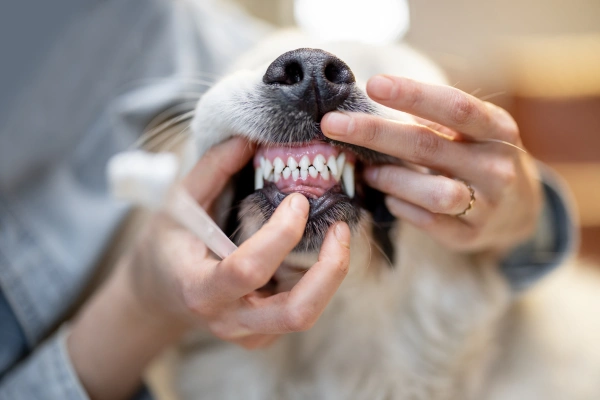
Senior dogs often face combined challenges:
- Dental sensitivity
- Reduced saliva
- Slower digestion
Soft treats for older dogs should also be:
- Lower in calories
- High in moisture
- Easy to swallow
Many senior dogs benefit from treats they can gum rather than chew.
Homemade Soft & Chewy Treat Options
Homemade treats allow full ingredient control and texture adjustment.
Simple Soft Treat Base
- Mashed sweet potato
- Cooked ground turkey or chicken
- Oat flour or rice flour
Bake lightly or refrigerate for extra softness.
These treats can be easily broken into small pieces and adjusted for individual needs.
How Often Should Dogs with Sensitive Teeth Get Treats?
Treats should not exceed 10% of daily calorie intake, regardless of texture.
For dogs with dental sensitivity:
- Smaller portions
- More frequent rewards
- Focus on quality over quantity
Treats should never replace balanced meals.
Are Soft Treats Bad for Teeth?
This is a common misconception.
Soft treats do not cause dental disease—sugar and bacterial imbalance do. While soft treats don’t mechanically scrape teeth like some dental chews, they are safer for sensitive mouths.
Daily oral hygiene and veterinary dental care remain essential.
When to Consult a Veterinarian
Soft treats help with comfort, but they don’t treat underlying disease.
See a veterinarian if your dog shows:
- Persistent bad breath
- Dropping food
- Pawing at the mouth
- Bleeding gums
- Sudden food refusal
Dental pain should never be ignored.
The Bottom Line
Soft & chewy dog treats are not a luxury—they’re a necessity for dogs with sensitive teeth. When made with clean ingredients and gentle textures, they support comfort, appetite, and quality of life without compromising health.
The key is choosing treats that are soft by design, not soft because of added sugars or chemicals.
Comfortable chewing leads to happier, healthier dogs.