
Dogs are masters at hiding pain. In the wild, showing weakness made them vulnerable — and that instinct still exists today. This means your dog may be struggling with a serious problem long before you notice clear signs like limping, crying, or refusing food.
Many health issues in dogs start with quiet, subtle symptoms that are easy to ignore… but dangerous if left untreated.
As a responsible dog parent, learning to spot these hidden signals can protect your dog from:
- infections
- internal problems
- organ issues
- chronic pain
- even life-threatening emergencies
This guide breaks down the 8 silent symptoms you should never ignore — and what each one might mean.
1. Sudden Change in Behavior

Behavior changes are one of the earliest signs something is wrong.
Look for:
- becoming unusually clingy
- becoming distant or hiding
- irritability or slight aggression
- restlessness
- pacing
- confusion
Why it matters: Dogs often act differently before physical symptoms appear. Pain, infections, fever, and hormonal problems can all change behavior.
If your dog suddenly “isn’t themselves,” take it seriously.
2. Unusual Tiredness or Low Energy
There’s a big difference between normal relaxation and abnormal fatigue.
Warning signs include:
- refusing walks
- not greeting you at the door
- playing less
- sleeping much more than usual
- slow movement or heavy steps
Possible causes:
- anemia
- infection
- heart problems
- internal inflammation
- chronic pain
- organ issues (kidney, liver)
If your dog becomes unexpectedly low-energy, don’t wait — fatigue is a red flag.
3. Strange or Subtle Breathing Changes

Even small breathing changes can signal something serious.
Watch for:
- breathing faster while resting
- shallow breathing
- louder breathing
- gentle wheezing
- difficulty after mild activity
- using stomach muscles to breathe
Possible causes:
- heart disease
- lung problems
- allergies
- infection
- internal pain
- heatstroke risk
Breathing issues are never something to observe later — always call your vet.
4. Unexplained Weight Loss or Weight Gain
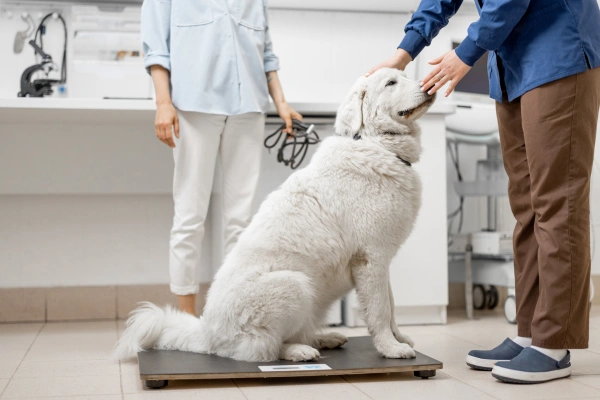
Small changes in weight can mean big problems.
Unexplained weight loss:
Could indicate:
- parasites
- diabetes
- cancer
- digestive issues
- thyroid problems
- chronic infections
Unexplained weight gain:
Could indicate:
- hormonal imbalance
- thyroid issues
- heart problems
- fluid retention
If weight changes without diet or activity changes, don’t ignore it.
5. Bad Breath, Drooling, or Difficulty Eating
Most owners think “bad breath” is normal — it’s not.
It can signal:
- dental infections
- gum disease
- tooth pain
- liver issues
- kidney disease
Other silent signs include:
- drooling more than usual
- chewing on one side only
- dropping food
- hesitating before eating
Dogs hide mouth pain extremely well. Catching it early prevents infections from spreading.
6. Drinking or Peeing More Than Usual

If your dog suddenly empties the water bowl faster or asks to go out more frequently, pay attention.
This can signal:
- diabetes
- kidney disease
- urinary tract infection
- Cushing’s disease
- electrolyte imbalance
These conditions progress quietly, and early treatment makes a huge difference.
7. Hiding, Avoiding Touch, or Acting “Off”
Dogs hide when they feel:
- pain
- nausea
- fever
- stress
- discomfort
- internal organ problems
Also watch for:
- flinching when touched
- avoiding cuddles
- sitting in strange positions
- isolating in corners or under furniture
Dogs hide pain because it’s instinctive — you must read the small changes.
8. Vomiting “Just Once” or Mild Diarrhea

These are the most underestimated symptoms.
Even a single episode of:
- vomiting
- gagging
- diarrhea
- coughing up yellow foam
…can be the first sign of a serious issue.
Possible causes:
- infection
- stomach irritation
- parasites
- dehydration
- toxins
- pancreatitis
- early organ issues
If your dog vomits + acts normal afterward, monitor closely for 24 hours. But if your dog vomits and shows any other symptom on this list → vet ASAP.
When Should You Call a Vet Immediately?
Contact your vet the same day if your dog has:
- 2 or more symptoms from this list
- any sudden behavior or energy changes
- breathing changes
- unexplained weight change
- vomiting + tiredness
- hiding or shaking
Dogs don’t exaggerate symptoms — they hide them. If you notice even subtle changes, trust your instincts.
Final Thoughts
Catching problems early is the key to keeping your dog healthy and safe. These silent symptoms may look small, but they are often the first warning signs your dog gives you.
Your dog may not be able to speak… but they always communicate — softly, quietly, and honestly.
And now you know exactly how to listen.